Table Of Content

We use colours in visual design to convey emotions in and add variety and interest to our designs, separate distinct areas of a page, and differentiate our work from the competition. Design principles are fundamental pieces of advice for you to make easy-to-use, pleasurable designs. You apply them when you select, create and organize elements and features in your work. Create variety by adding unique or unexpected elements to your designs. Variety can be used to draw the user’s attention to specific elements or areas of the design, and make them stand out.
How to Use the Principles of Design
It’s only when it’s done poorly that we notice it.” This is why good design is tricky to define. It’s for you if you’ve ever wondered what goes into good design_._ You'll find it handy whether you're a complete amateur or a budding designer—so let's get stuck in. The problem is that if you don’t have the time or inclination to take a design course, resources are pretty scarce. Sure you can rely on Envato Elements or Canva templates, but even then you need to know how to use them properly.
Want to learn step-by-step how I built my Niche Site Empire up to a full-time income?
Place bright colors next to lighter hues, text next to images, and round shapes next to square ones. By doing so you can keep viewers engaged and your design interesting. Designs that look the same are boring—by experimenting with contrasting color hues, shapes, sizes, textures, and typography, you can liven things up. It’s a great way to grab attention, control the visual flow, and keep folks engaged. Where objects in real life carry physical weight, elements in design carry visual weight.
Introduction: What Are the Principles of Design?
To create a sense of unity in the piece, one trick is to use a limited palette of colours, but to vary the saturation and brightness of those colours. The right sizes of elements create proportions that feel eye-pleasing and aesthetic. What else you will notice when scanning this post, are the bolded parts of the text that naturally draw the attention. Well, when it comes to a complex design, an emphasis can be put on a button, on an image, on an object, on a specific word, etc. Creating an emphasis is a way to focus the attention on a specific desired element.
A Brief Guide to Variety — A Design Principle
For example, you can think of emphasis as some text with all-caps and a bold type. A focal point is an object that stands out instantly and grabs the viewer's or user's attention at first sight. With the use of the variety, you have a good chance of maintaining the interest and engagement of viewers. There is no mirrored image, and both sides look different, but the design is still stable. For example, this could be that an element on one side is much 'heavier' than the rest and is overpowering, thus making the design look unstable. Once you start placing all your baggage on one side, it will slowly start to sink because that will be the heavy side of your boat, while the other side will remain weightless.
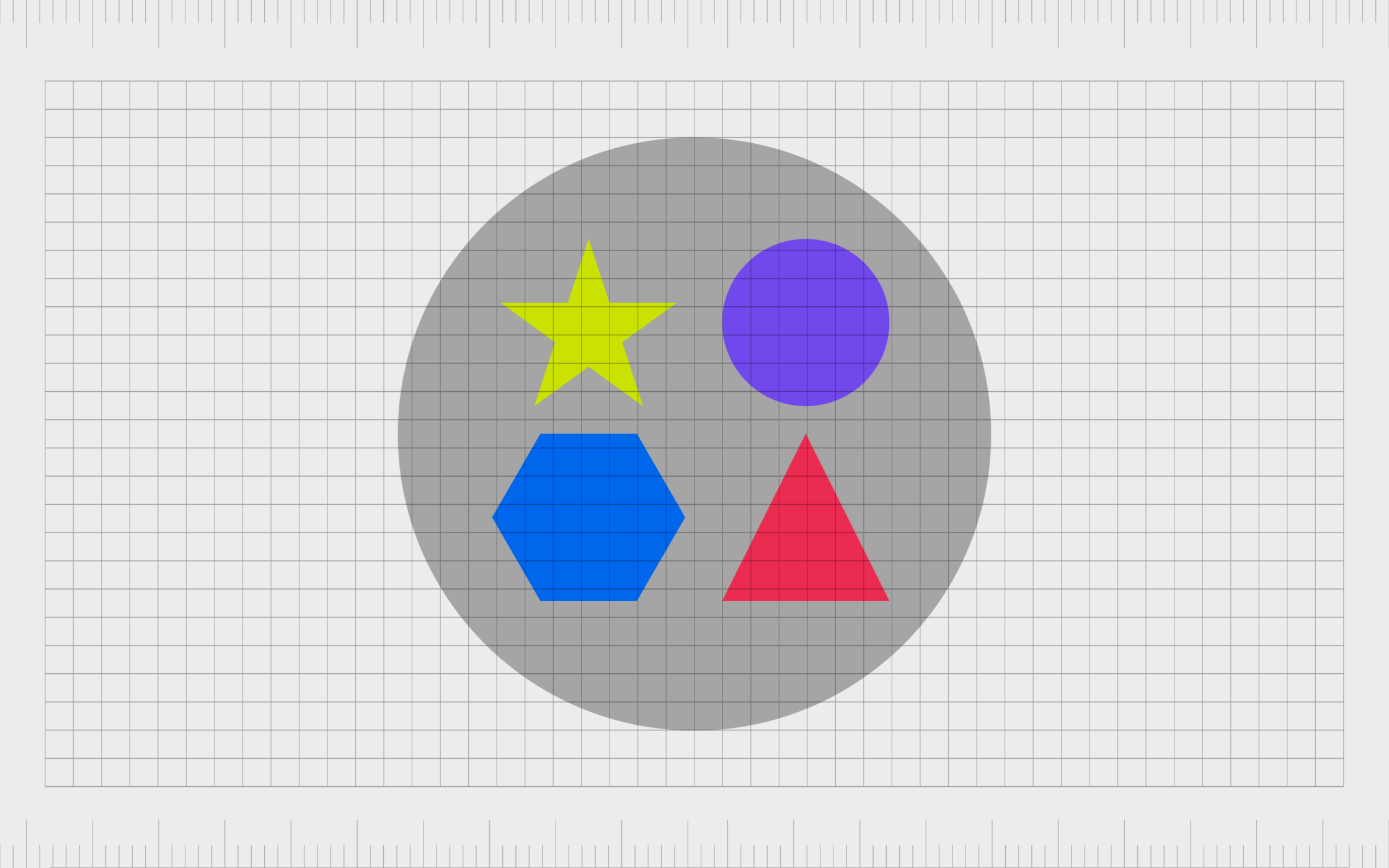
The variety of shapes in this design and their fairly random layout create a sense of chaotic movement that leads the viewer’s eye to the center. Highlighting “reshape industries” in a contrasting color draws the reader’s eye to that particular bit of text, emphasizing it and setting it apart from the surrounding text. In essence, Gestalt unity combines visual unity and conceptual unity in the sense that the look of the artwork and the ideas behind it fit together harmoniously. The WWF logo, shown earlier, is an example of making use of the principle of gestalt to create interesting designs. When we’re designing websites, we can make use of a grid for achieving a sense of unity, since elements organised in a grid will follow an orderly arrangement.
The impasto technique with thick paint, then use short, sharp brush strokes to create rhythm in the piece and lead the viewer’s eyes around. Look close and you can see the brush work and impasto texture in van Gogh’s ‘The Mulberry Tree’. The direction of the brush strokes chop and change in this painting, with longer strokes for shadows and shorter strokes for grass. This creates variety and movement for the viewer, which makes for a dynamic viewing rhythm. The principle of variety in art is the use of different elements, techniques, and design to create visual interest. Variety adds intrigue to a work of art, and can be used to establish contrast or emphasis.
The Principles of Beautiful Web Design, 4th Edition - Section 1 - SitePoint
The Principles of Beautiful Web Design, 4th Edition - Section 1.
Posted: Thu, 25 Mar 2021 04:10:13 GMT [source]
Hierarchy in design refers to the arrangement of elements in a way that signifies importance. It guides viewers' eyes, ensuring they focus on primary information first, followed by secondary and tertiary details. Designers establish a visual hierarchy by employing size, contrast, color, and spacing, directing attention and aiding comprehension.
Variety in design adds something interesting to the composition to create contrast and tension. For instance, mixing organic shapes with geometric shapes adds variety. This concept should reinforce the message you are trying to communicate in your design—otherwise, it can look pointless.
Large elements are heavier and small elements lighter, with each element having its own "weight" based on how much attention they draw. The principles serve as guidelines for creating visually appealing and effective designs. The exact number and naming of these principles can vary, as design is a field subject to interpretation and evolving trends. White space, sometimes called negative space, isn’t necessarily white. Minimalist designs use a lot of white space, while maximalist designs may not use any.
For example, using the same color of your brand logo for the shapes on your announcement poster, will be an indirect shout-out to your brand and help you develop your brand identity. The recurrence of an element, color, shape, or form in design is called repetition. It unifies your design elements and gives them a kind of signature look.
It more so refers to the emptiness and available room in your design and the fact that some areas don't contain anything. With unity, seemingly different items create a sense of 'oneness'. By aligning the different visual objects, you help guide your viewer throughout the design.
Readers scan in the shape of an “F”—first, with the headline across the top, then down the left side of the page, and to the right as they identify things they find interesting. Whether you're creating a digital flipbook or designing your next round of paper design flyers, proportions are key. You want to make sure things look “right”— that the elements look as if they belong together. Because these visuals were repeated so often eventually they became synonymous with the brands they represent. Visual balance is about ensuring your design is equally weighted on both sides of the central point. It’s like a seesaw—too much weight on either side and the whole thing becomes unbalanced.
The design principle variety is also a good spice for every design, and this is because it channels readers attention to different facts within the design. This eventually helps stimulate visual interest in the design, especially towards what you are trying to communicate. There’s no doubt that variety, while it’s one of the most straightforward design principles, can also be one of the trickiest to apply. It can be tough to know when you’ve gone too far or not far enough.


No comments:
Post a Comment